Anúncios
Digital Spain and Remote Work: How Technology Is Changing the Way We Work is driving automation, collaborative platforms, connectivity, and new work models, and it calls for digital training, cybersecurity, and clear regulations to protect rights and boost the productivity of employees and companies.
Digital Spain and Remote Work: How Technology Is Changing the Way We Work is redefining work schedules, locations, and expectations. Does it give you more freedom or complicate your routine? Here we review real examples, trends, and practical tips to help you find your way.
Digital Trends That Are Reshaping Employment
Digital Spain and remote work is changing how and where we work. New technologies are transforming tasks and working relationships.
These trends affect companies, professionals, and the way people learn practical skills for today’s job market.
Anúncios
Automation and Artificial Intelligence
Automation and artificial intelligence are taking over repetitive and analytical tasks. That frees up time for creative work and human oversight.
Some roles are being reinvented: operators are becoming systems managers and supervising analysts.
Platforms and Cloud Collaboration
Cloud tools make it easier to work together from different locations. They let teams share documents, coordinate projects, and keep communication flowing.
- Project management and task tracking on collaborative platforms.
- Video calls and messaging for real-time and asynchronous communication.
- Shared storage and simultaneous document editing.
- Digital marketplaces for finding remote jobs or freelance projects.
Better connectivity, such as fiber optics and 5G, makes it possible to perform complex tasks outside the office. This opens up opportunities for professionals who live outside major cities.
Cybersecurity is key: strong passwords, two-factor authentication, and basic training reduce risks. Companies and workers should adopt clear rules to protect data.
In addition, ongoing training and micro-credentials help people adapt quickly. Practicing with real projects and learning basic digital skills increases employability.
In short, Digital Spain and remote work combines automation, collaborative platforms, greater connectivity, and the need for new skills. Adapting offers clear advantages for professionals and companies.
Key Tools and Platforms for Remote Work
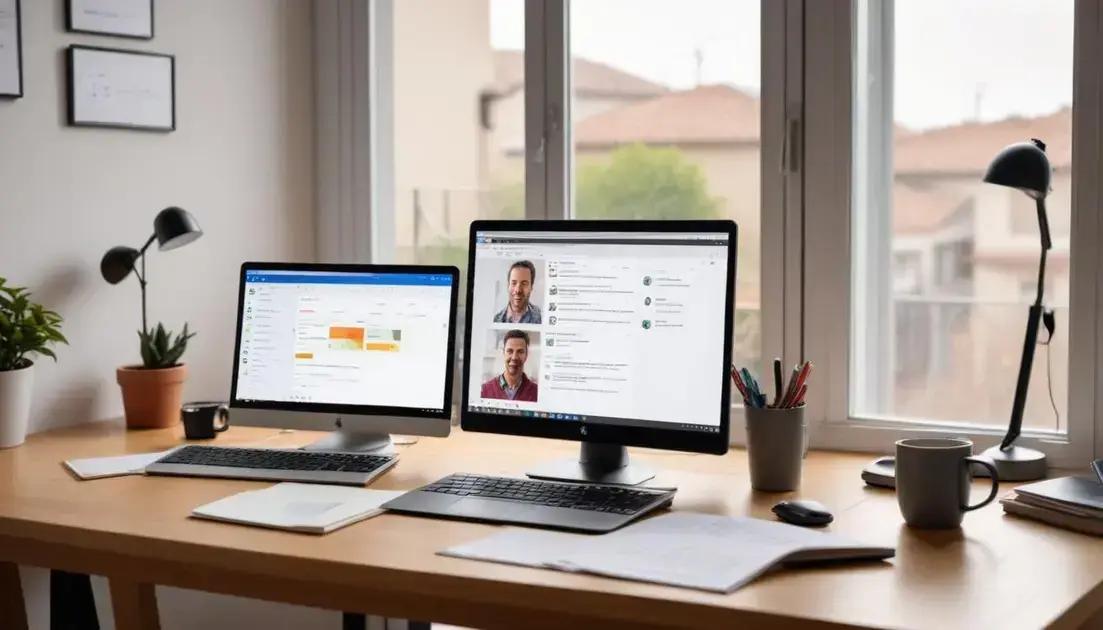
Digital Spain and remote work depends on clear tools that make the daily routine easier. With the right platforms, remote work is more efficient and accessible.
This section covers the main options and how to use them to improve productivity and communication.
Communication and Video Conferencing
Video calls are at the heart of remote work. Choosing a stable platform reduces interruptions and improves collaboration.
Features such as breakout rooms, recording, and captions make meetings clear and inclusive.
Task and Project Management
Management platforms organize tasks, deadlines, and owners in one place. They let you see progress in real time.
- Kanban boards for a visual workflow.
- Task lists with assignments and deadlines.
- Reports and metrics to measure progress.
- Integrations with other tools to automate actions.
Integrations between messaging, calendars, and project management avoid duplicate work. Connectors and automations simplify repetitive tasks.
Cloud Storage and Document Collaboration
Editing files simultaneously and accessing them from any device changes the pace of work. Saving to the cloud increases mobility.
Version history and permissions control changes and protect sensitive information.
In Spain, many companies are adopting solutions that comply with data protection regulations and enable secure collaboration.
Personal productivity tools are also key: password managers, calendars, and distraction blockers help you stay focused.
Talent and Training Platforms
Digital marketplaces connect professionals with projects. They let you find work based on your skills and schedule.
- Freelance platforms for one-off projects.
- Remote job boards with filters for location and schedule.
- Online academies and micro-credentials to update your skills.
Investing time in hands-on training with short certificates improves your visibility to employers and platforms.
Finally, technical security isn’t optional: VPNs, two-step authentication, and backups protect both workers and companies.
By combining communication, management, storage, and training, tools and platforms make a flexible, efficient work model viable within Digital Spain and remote work.
Impact on Legislation, Labor Rights, and Security
Digital Spain and remote work is changing rules and practices that affect employers and workers alike.
Knowing about these changes helps you comply with the law and protect basic rights.
Regulatory Changes and Business Adaptation
Companies need to review internal policies to adjust schedules, working-hours records, and the right to disconnect.
Adapting means updating contracts, remote work protocols, and agreements on expenses or equipment.
Protecting Rights and Working Conditions
Workers keep their labor rights , such as pay, rest breaks, and safety. The remote format doesn’t eliminate these obligations.
- Clear contracts that specify working hours, responsibilities, and compensation.
- Policies on reimbursing costs (internet, equipment) and terms of use.
- Access to training and fair performance reviews.
- Channels for reporting issues and getting support.
It’s essential for companies and employees to sign agreements that avoid ambiguity and protect both parties.
Labor inspections also cover remote work, so keeping documents and records makes audits easier.
Data Protection and Cybersecurity
Protecting personal information is a priority: complying with the GDPR and national regulations reduces legal risk.
Practical measures include encryption, access control, backups, and basic training for all staff.
A single security failure can expose customer or employee data and lead to penalties and a loss of trust.
Taxes, Social Security, and Compliance
Remote work also raises tax and contribution challenges. Companies and workers need to clarify their obligations based on residence and contract type.
- Proper reporting of income and withholdings.
- Social security coverage in accordance with applicable regulations.
- Recorded agreements that specify work locations and conditions.
Consulting a labor or tax advisor helps avoid payroll and contribution errors.
In short, the legal impact of the remote model calls for clear policies, robust data protection, and tax compliance. Adopting these measures protects labor rights and reduces risks for companies and workers.
How to Seize Opportunities: Tips for Employees and Companies
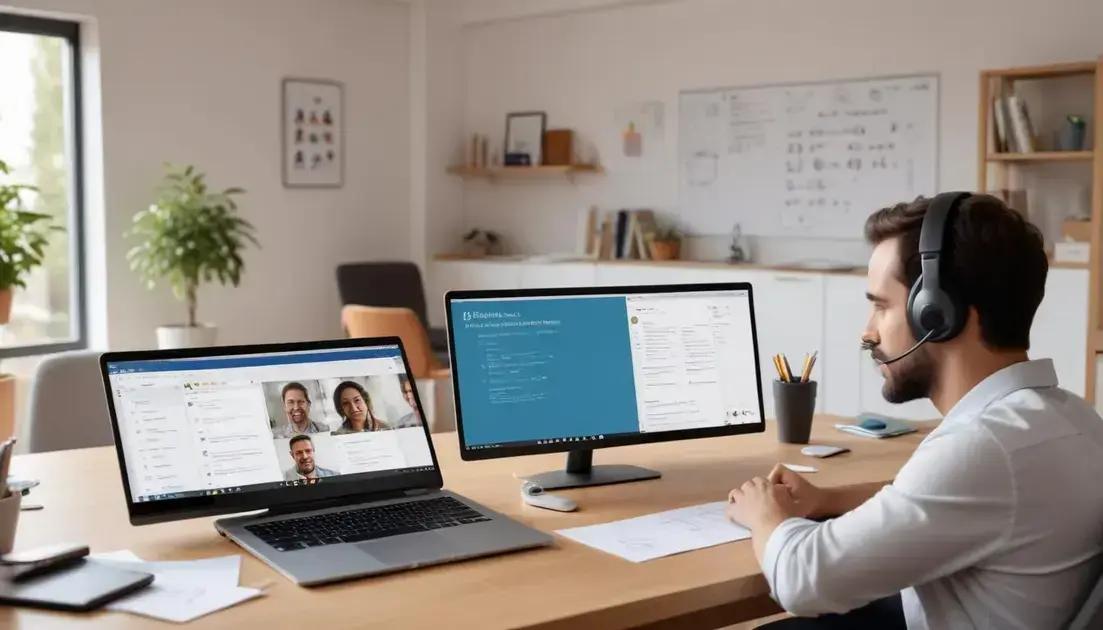
Digital Spain and remote work opens doors for people seeking flexibility and growth. With the right resources, it’s possible to improve both income and quality of life.
These practical tips help both workers and companies turn technological change into real advantages.
Strategies for Employees
Update your skills with short courses and real projects. Keep your professional profile visible and well organized.
- Learn key digital skills: project management, online communication, and basic data handling.
- Build a portfolio with work samples and references for remote platforms.
- Set routines and a dedicated workspace to improve productivity.
- Look for micro-credentials that validate your skills quickly.
Networking also helps: join communities, collaborate on projects, and ask for feedback. Negotiate clear terms from the start: hours, payments, and reimbursements.
Strategies for Companies
Design policies that support remote work and protect rights. Invest in tools that improve communication and security.
- Set goals based on results, not hours.
- Provide collaboration tools and ongoing training.
- Establish cybersecurity and data protection protocols.
- Offer support for mental health and work-life balance.
Measuring performance with clear metrics and giving regular feedback builds trust. Promoting geographic mobility expands access to talent outside major cities.
Encouraging internal training and partnerships with educational platforms speeds up technology adoption and improves retention.
In short, making the most of Digital Spain and remote work requires investing in digital skills, tools, and clear policies. That way, employees and companies can benefit from a more flexible and competitive market.
In conclusion, Digital Spain and remote work requires the right tools, constant training, and clear rules to work well. Employees and companies should prioritize security, compliance, and communication to seize opportunities. Acting early makes adapting easier and improves competitiveness.
FAQ – Digital Spain and Remote Work
What tools are essential for working remotely in Spain?
Video conferencing platforms, cloud project management, shared storage, and password managers. These make communication, organization, and security easier.
What labor rights do I have if I work from home?
You keep rights such as pay, rest breaks, and safety. There should be an agreement that specifies working hours, responsibilities, and compensation.
How do I protect my data and my company’s data when working remotely?
Use strong passwords, two-step authentication, a VPN, and backups. Also follow data protection policies and complete basic training.
What should I do to improve my employability in the remote model?
Update your skills with short courses and micro-credentials, build an online portfolio, and join professional networks to showcase your experience and references.