Anúncios
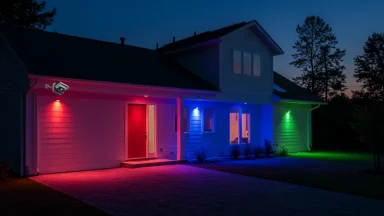
By 2026, advanced smart home routines will redefine efficiency in US households, moving beyond simple automation to integrate complex systems for optimized energy, security, and personalized comfort.
In the rapidly evolving landscape of residential technology, the concept of a smart home has moved far beyond simple conveniences like remote-controlled lights. We are on the cusp of an era where advanced smart home routines will redefine peak efficiency in US households by 2026, transforming how we interact with our living spaces. This shift promises not just comfort, but profound improvements in energy management, security, and personalized living experiences.
Anúncios
The Evolution of Smart Home Automation
Smart home automation has undergone a remarkable transformation, evolving from rudimentary remote controls to sophisticated, interconnected ecosystems. Initially, smart devices offered isolated functionalities, such as turning lights on or off with a voice command. However, the future, particularly by 2026, envisions a seamless integration of these devices into routines that anticipate needs and optimize various aspects of home management without explicit user input.
This evolution is driven by advancements in artificial intelligence (AI), machine learning (ML), and the Internet of Things (IoT). These technologies enable devices to learn from user behavior, environmental conditions, and external data sources, creating predictive and proactive automation. The goal is to move from reactive commands to intelligent, self-optimizing systems that enhance daily life and significantly boost household efficiency.
From Simple Triggers to Contextual Intelligence
Basic automation often relies on simple ‘if-then’ statements: if it’s 6 PM, then turn on the lights. While effective, this approach lacks the nuance of true intelligence. Advanced routines, however, leverage contextual data to make smarter decisions.
Anúncios
- Environmental Sensors: Integrating data from weather forecasts, air quality monitors, and daylight sensors.
- Occupancy Detection: Utilizing motion sensors, smart cameras, and even Wi-Fi presence detection to understand who is home and where.
- User Preferences: Learning individual and household preferences over time, adapting to changing schedules and habits.
- Energy Market Data: Reacting to real-time electricity prices to optimize power consumption when rates are lowest.
This contextual intelligence allows smart homes to create environments that are not just automated, but truly adaptive. For instance, a routine might adjust heating based on forecasted temperature dips, current indoor humidity, and the family’s typical arrival time, all while considering peak electricity tariffs.
The progression towards a more intelligent home environment signifies a paradigm shift. It’s no longer just about controlling devices; it’s about orchestrating a symphony of interconnected technologies to create a living space that is intuitive, responsive, and highly efficient. This foundation sets the stage for the advanced routines that will define US households in the coming years.
Advanced Routine 1: Predictive Energy Optimization
Predictive energy optimization represents a monumental leap in smart home efficiency, moving beyond simple programmable thermostats to a holistic, learning-based approach to energy management. By 2026, US households will increasingly adopt systems that not only react to current conditions but actively anticipate future energy needs and costs, dramatically reducing utility bills and environmental impact.
This routine integrates multiple data streams: local weather forecasts, real-time energy grid pricing, household occupancy patterns, and even the thermal inertia of the home itself. The system uses AI and machine learning to analyze these variables and make proactive decisions about heating, cooling, lighting, and appliance usage, ensuring optimal comfort at the lowest possible energy expenditure.
Dynamic Climate Control
Imagine a system that knows a heatwave is coming, preemptively cooling your home during off-peak hours when electricity is cheaper, and then maintaining that comfortable temperature throughout the day with minimal effort. This is the essence of dynamic climate control.
- Pre-cooling/Pre-heating: Leveraging cheaper energy rates to prepare the home’s climate before peak demand.
- Zoned Control: Adjusting temperatures only in occupied rooms, preventing energy waste in unused areas.
- Humidity Management: Integrating smart humidifiers/dehumidifiers to optimize comfort and prevent mold growth, further reducing cooling loads.
- Window and Blind Automation: Automatically opening or closing smart blinds based on solar gain and outdoor temperature to regulate indoor climate naturally.
This sophisticated level of control goes beyond what a traditional thermostat can offer. It creates a microclimate within the home that is constantly adjusted for maximum efficiency and comfort, adapting seamlessly to external changes and internal preferences. The result is a consistently comfortable home that consumes significantly less energy than its less intelligent counterparts.
Appliance Load Shifting and Smart Grid Integration
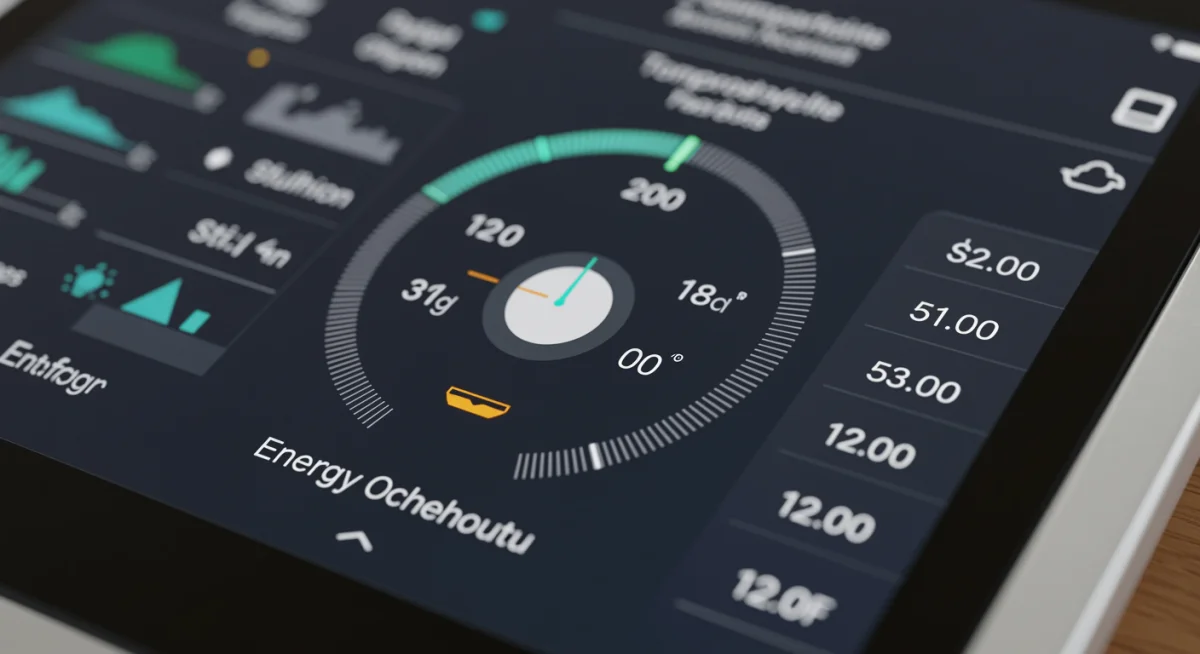
Beyond climate control, predictive energy optimization extends to managing high-demand appliances. Smart homes will be able to communicate with the energy grid, understanding peak and off-peak times, and adjust appliance usage accordingly. This is particularly beneficial for electric vehicle charging, dishwashers, and laundry machines.
By shifting these energy-intensive tasks to times when electricity demand is low and prices are cheaper, households can substantially cut costs. Furthermore, in areas with smart grid infrastructure, homes can even participate in demand response programs, earning credits for reducing consumption during critical periods. This not only benefits the homeowner but also contributes to grid stability and the integration of renewable energy sources.
The combination of dynamic climate control and intelligent appliance management forms a powerful synergy, making predictive energy optimization a cornerstone of future efficient living. This routine is not just about saving money; it’s about creating a more sustainable and responsive household that actively participates in the broader energy ecosystem.
Advanced Routine 2: Adaptive Multi-Layered Security Systems
While basic smart security systems offer fundamental protection, adaptive multi-layered security systems are the next frontier for US households by 2026. These advanced routines move beyond simple alerts, creating a proactive and intelligent defense mechanism that learns, adapts, and responds to various threats in real-time, often before a potential intruder even reaches the front door.
This sophisticated approach integrates a wide array of sensors, AI-powered analytics, and interconnected devices to form a comprehensive security network. The system doesn’t just detect events; it interprets them, distinguishes between benign and malicious activity, and initiates appropriate responses, providing unparalleled peace of mind for homeowners.
AI-Powered Anomaly Detection
The core of adaptive security lies in its ability to detect and analyze anomalies. Traditional systems might trigger an alarm for any motion, leading to frequent false alarms. Advanced systems, however, use AI to differentiate between a pet, a delivery person, or a potential intruder based on learned patterns and behaviors.
- Facial Recognition: Identifying authorized individuals and alerting to unrecognized faces.
- Behavioral Analysis: Detecting unusual movements or lingering presence around the property.
- Sound Analytics: Distinguishing between normal household sounds and suspicious noises like breaking glass or forced entry.
- Perimeter Monitoring: Utilizing ground sensors and smart lighting to detect and deter unauthorized approach to the property boundary.
This intelligent filtering significantly reduces false positives, ensuring that when an alarm is triggered, it’s for a genuine threat. The system can even learn over time, refining its detection capabilities and adapting to new patterns of activity around the home. This dynamic learning process makes the security system increasingly effective and reliable.
Integrated Response Protocols
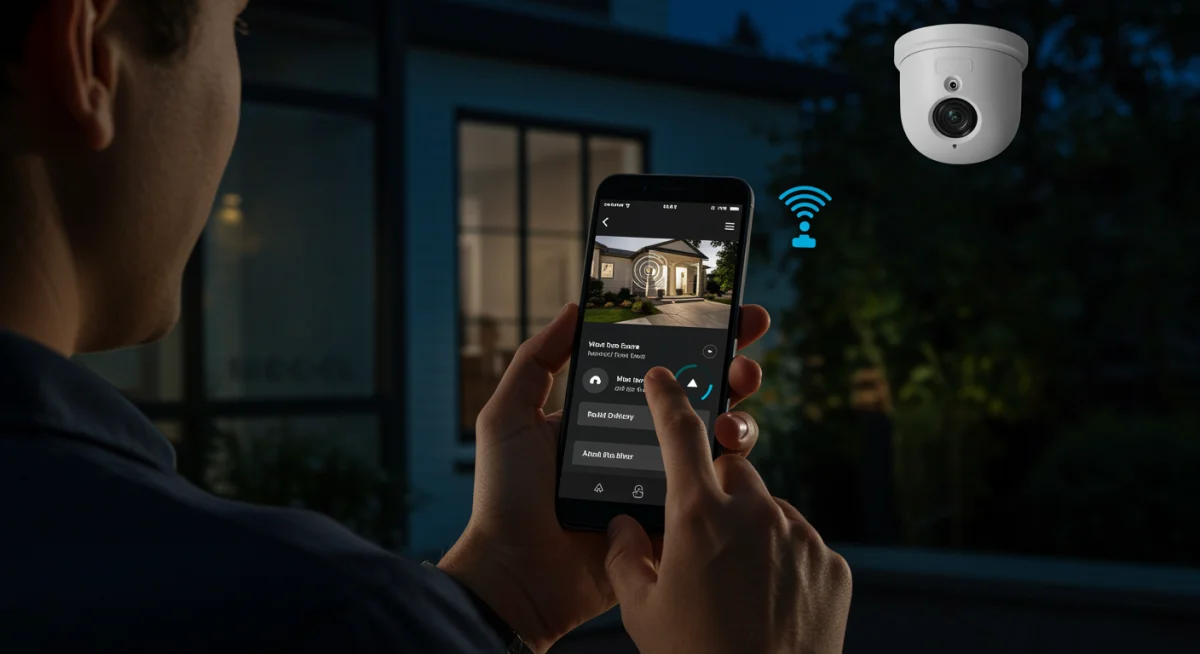
An adaptive security system doesn’t just alert; it responds. Once a threat is identified, the system can initiate a series of pre-programmed actions designed to deter intruders, notify authorities, and ensure the safety of occupants. These responses are often layered and escalate based on the severity of the perceived threat.
For instance, if an unrecognized person is detected loitering near a window, smart lights might flash, a recorded warning message could play, and an alert sent to the homeowner’s phone. If a break-in is confirmed, the system can immediately contact emergency services, lock all smart doors, activate internal alarms, and even deploy fog generators to disorient intruders. The integration of various smart devices into a unified response protocol creates a formidable defense.
Furthermore, these systems can integrate with smart home assistants to provide verbal instructions to occupants in an emergency, guiding them to safe zones or instructing them on appropriate actions. This multi-layered, intelligent approach to security provides a level of protection that goes far beyond traditional alarm systems, making US homes safer and more resilient by 2026.
Advanced Routine 3: Personalized Wellness and Ambient Living
Beyond energy and security, advanced smart home routines will profoundly impact personal wellness and ambient living by 2026. This third routine focuses on creating an environment that actively supports the health, mood, and productivity of its occupants. It’s about a home that understands your biological rhythms, preferences, and even your emotional state, adjusting its various elements to foster an optimal living experience.
This routine orchestrates lighting, sound, air quality, and even aromatherapy, transforming the home into a sanctuary tailored to individual needs. It moves beyond simple comfort to create a truly responsive and supportive environment, enhancing daily life in subtle yet powerful ways.
Circadian Lighting and Soundscapes
One of the most impactful aspects of personalized wellness is circadian lighting. Smart lighting systems will dynamically adjust color temperature and brightness throughout the day, mimicking natural sunlight to support the body’s natural sleep-wake cycle. This can improve sleep quality, boost daytime alertness, and positively influence mood.
- Morning Wake-up: Slowly increasing light intensity and shifting to cooler tones to simulate sunrise.
- Daytime Focus: Maintaining bright, cool-white light to enhance concentration and productivity.
- Evening Relaxation: Gradually dimming and shifting to warm, amber tones to prepare the body for sleep.
- Personalized Soundscapes: Integrating smart speakers to play calming nature sounds, white noise, or preferred music based on time of day or activity.
The combination of intelligent lighting and adaptive soundscapes creates an immersive environment that supports occupants’ well-being. Whether it’s a vibrant, energizing space for morning routines or a tranquil, dimly lit haven for evening wind-downs, the home becomes a responsive partner in maintaining health and balance.
Air Quality and Environmental Harmonization
Indoor air quality is a critical, yet often overlooked, aspect of wellness. Advanced smart home routines will integrate air quality monitors with smart purifiers, humidifiers, and ventilation systems to maintain optimal indoor air composition. This responsiveness is vital for those with allergies, respiratory issues, or simply anyone seeking a healthier living space.
The system can detect pollutants, allergens, and CO2 levels, automatically activating purification or ventilation to ensure fresh, clean air. Furthermore, integration with smart diffusers can introduce aromatherapy benefits, releasing calming essential oils in the evening or invigorating scents in the morning, further enhancing the ambient living experience. This holistic approach to environmental control ensures that the home actively contributes to the physical and mental well-being of its inhabitants.
This routine exemplifies how smart homes are evolving from purely functional tools to intelligent partners in personal care, creating spaces that are not just efficient and secure, but also deeply conducive to a healthier and happier lifestyle for US households.
Implementing Advanced Smart Home Routines
Implementing advanced smart home routines requires careful planning and a strategic approach, moving beyond impulse buys of individual gadgets. The key is to build a cohesive ecosystem where devices can communicate and collaborate seamlessly. By 2026, the market will offer more integrated solutions, but understanding the foundational steps remains crucial for US households.
The process often begins with identifying core needs and desired outcomes, whether it’s maximizing energy savings, bolstering security, or enhancing personal comfort. This initial assessment guides the selection of compatible devices and the central hub that will orchestrate the routines. Compatibility and interoperability are paramount in creating a truly advanced and efficient smart home.
Choosing the Right Ecosystem and Devices
The smart home market is diverse, with several major ecosystems like Apple HomeKit, Google Home, Amazon Alexa, and Samsung SmartThings. Each offers unique strengths and a range of compatible devices. Selecting the right ecosystem is often the first and most critical decision, as it dictates the range of devices and the ease of integration. It’s advisable to research which platform best supports your desired advanced routines.
- Interoperability Standards: Look for devices that support open standards like Matter or Thread, ensuring broader compatibility.
- Central Hub Capability: A robust central hub (e.g., SmartThings Hub, Homey Pro) is essential for complex routine orchestration.
- Scalability: Choose a system that can easily expand as your needs and technological capabilities evolve.
- Security Features: Prioritize devices with strong encryption and privacy protocols, especially for cameras and locks.
Investing in devices that are designed to work together seamlessly will prevent frustrating compatibility issues down the line. A unified ecosystem simplifies management and allows for the creation of more sophisticated, interconnected routines that truly leverage the power of advanced automation.
Programming and Fine-Tuning
Once the hardware is in place, the real work of programming and fine-tuning advanced routines begins. This involves using the ecosystem’s app or a third-party automation platform (like Home Assistant or IFTTT for more complex scenarios) to define the logic, triggers, and actions for each routine. It’s an iterative process that often requires experimentation and adjustment.
Start with simpler routines and gradually build complexity. Leverage conditional logic (e.g., ‘if light level is below X AND no one is home for 30 minutes, THEN turn off lights’) and explore advanced features like scene creation and custom scripting. Regularly review and fine-tune routines based on your actual usage and changing preferences. The goal is to create a dynamic system that continuously optimizes itself, delivering peak efficiency and a truly personalized smart home experience.
Challenges and Future Outlook for US Households
As US households increasingly embrace advanced smart home routines, several challenges and opportunities emerge. While the promise of peak efficiency and enhanced living is compelling, addressing concerns around privacy, security, and interoperability will be crucial for widespread adoption and continued innovation by 2026 and beyond.
The future outlook is bright, with ongoing developments in AI, edge computing, and standardized communication protocols poised to make smart homes even more intelligent, autonomous, and user-friendly. Overcoming current hurdles will pave the way for a truly integrated and intuitive residential technology landscape.
Privacy, Security, and Interoperability Hurdles
The collection and processing of vast amounts of personal data by smart home devices raise significant privacy concerns. Users need assurances that their data is protected and not misused. Similarly, the cybersecurity of interconnected devices is paramount; a single vulnerability can compromise the entire home network. Manufacturers and regulators must collaborate to establish robust standards for data privacy and device security.
- Data Encryption: Ensuring all data transmitted between devices and to the cloud is securely encrypted.
- Regular Updates: Providing timely software and firmware updates to patch vulnerabilities.
- User Control: Giving users granular control over their data and privacy settings.
- Standardization: The lack of universal interoperability standards remains a barrier. Efforts like Matter aim to alleviate this, but widespread adoption is still a work in progress.
Addressing these challenges is not just about compliance; it’s about building trust with consumers. A smart home can only be truly efficient and beneficial if users feel secure and in control of their data and devices. Continued focus on these areas will be critical for the sustained growth of advanced routines.
The Rise of Autonomous and Predictive Homes
Looking ahead to 2026 and beyond, the trend is towards increasingly autonomous and predictive homes. AI and machine learning will become even more sophisticated, allowing homes to anticipate needs with greater accuracy and manage complex routines without constant user intervention. Edge computing will enable more processing to happen directly on devices, improving response times and reducing reliance on cloud services.
Integrated health monitoring, advanced robotics for household chores, and even personalized entertainment experiences driven by biometric data are on the horizon. The smart home will evolve into a truly intelligent assistant, seamlessly blending into the fabric of daily life, optimizing every aspect of the living environment for peak efficiency, comfort, and well-being. This vision paints a picture of a future where our homes are not just structures, but active, intelligent partners in our lives.
The Economic and Environmental Impact of Smart Routines
The widespread adoption of advanced smart home routines in US households by 2026 is poised to generate significant economic and environmental benefits. Beyond individual convenience, these routines contribute to broader societal goals, including energy conservation, reduced carbon footprints, and economic savings on a national scale. The cumulative effect of millions of smart homes operating with peak efficiency will be transformative.
Economically, homeowners stand to save substantial amounts on utility bills, freeing up disposable income. Environmentally, the reduction in energy consumption translates directly into lower greenhouse gas emissions, supporting climate change mitigation efforts. This dual impact underscores the importance and value of intelligent home automation.
Cost Savings and Investment Returns
One of the most tangible benefits for US households is the direct cost savings on energy bills. Predictive energy optimization routines, by intelligently managing heating, cooling, and appliance usage, can reduce electricity consumption by 10-30% or even more, depending on the home’s initial efficiency and the routine’s sophistication. Over time, these savings can easily offset the initial investment in smart home technology.
- Reduced Utility Bills: Lower electricity, gas, and water consumption through optimized usage.
- Insurance Discounts: Many insurers offer discounts for homes equipped with advanced security and fire detection systems.
- Increased Home Value: Smart home features are becoming increasingly desirable, potentially boosting property value.
- Tax Incentives: Government programs may offer tax credits or rebates for energy-efficient smart home upgrades.
The return on investment (ROI) for smart home technology is not just financial; it also includes the invaluable benefits of enhanced comfort, security, and peace of mind. As technology becomes more affordable and accessible, the economic case for advanced smart home routines only strengthens.
Contribution to Sustainability and Grid Stability
From an environmental perspective, the collective impact of energy-efficient smart homes is immense. By reducing overall energy demand, especially during peak hours, these routines alleviate stress on the power grid and decrease reliance on fossil fuel power plants. This directly contributes to a reduction in carbon emissions and fosters a more sustainable energy ecosystem.
Furthermore, smart homes integrated with renewable energy sources (like solar panels) and battery storage can become prosumers, both consuming and producing energy. They can optimize self-consumption, feed excess energy back to the grid when prices are high, and draw from the grid when prices are low. This active participation in the energy market not only benefits individual homeowners but also enhances grid stability and resilience, accelerating the transition to a cleaner energy future for the United States.
The economic and environmental dividends of advanced smart home routines are compelling, positioning them as a critical component in the journey towards a more efficient, sustainable, and prosperous future for US households.
| Key Routine | Brief Description |
|---|---|
| Predictive Energy Optimization | AI-driven management of climate control and appliances based on forecasts, occupancy, and energy prices. |
| Adaptive Multi-Layered Security | Proactive security systems using AI for anomaly detection and integrated response protocols. |
| Personalized Wellness & Ambient Living | Customizing lighting, sound, and air quality to support occupant health, mood, and productivity. |
| Implementation & Challenges | Strategic ecosystem selection, careful programming, and addressing privacy/interoperability concerns. |
Frequently Asked Questions About Advanced Smart Home Routines
Advanced routines leverage AI and machine learning to analyze multiple data points—like weather, occupancy, and energy prices—for predictive, proactive, and self-optimizing actions, unlike basic automation’s simple ‘if-then’ triggers. They create a truly adaptive and intelligent living environment.
They save energy through predictive climate control, pre-cooling/pre-heating during off-peak hours, zoned heating/cooling, and intelligent appliance load shifting based on real-time energy prices and grid demand. This optimizes consumption without compromising comfort.
These systems use AI for anomaly detection, distinguishing between pets and intruders, and integrate multiple devices for comprehensive response protocols. They can trigger alarms, lock doors, and contact authorities automatically, offering superior, proactive protection.
Yes, through personalized wellness routines. These include circadian lighting that mimics natural light cycles, adaptive soundscapes for relaxation or focus, and advanced air quality management, all contributing to better sleep, mood, and overall health.
Key challenges include ensuring data privacy and cybersecurity, achieving seamless interoperability between diverse devices and platforms, and the initial complexity of setup and fine-tuning. Addressing these is vital for widespread consumer trust and adoption.
Conclusion
The journey beyond basic automation to advanced smart home routines signifies a pivotal shift in how US households will operate by 2026. These intelligent systems, powered by AI and machine learning, promise not just convenience but a profound enhancement of efficiency across energy consumption, security, and personal well-being. By embracing predictive energy optimization, adaptive multi-layered security, and personalized wellness routines, homes will transform into responsive, intuitive environments that anticipate needs and proactively contribute to a higher quality of life. While challenges related to privacy and interoperability remain, the trajectory towards a more autonomous and interconnected living space is clear, offering substantial economic and environmental benefits. The future of the smart home is one where technology seamlessly integrates to create a truly efficient, secure, and harmonious sanctuary for all its occupants.