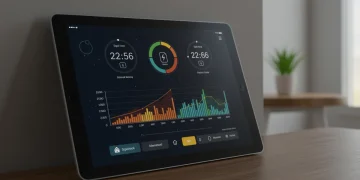
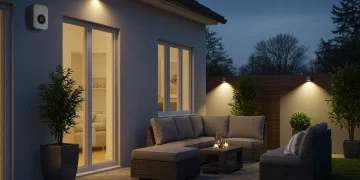
Advanced Smart Home Routines for 2026: Beyond Basic Automation
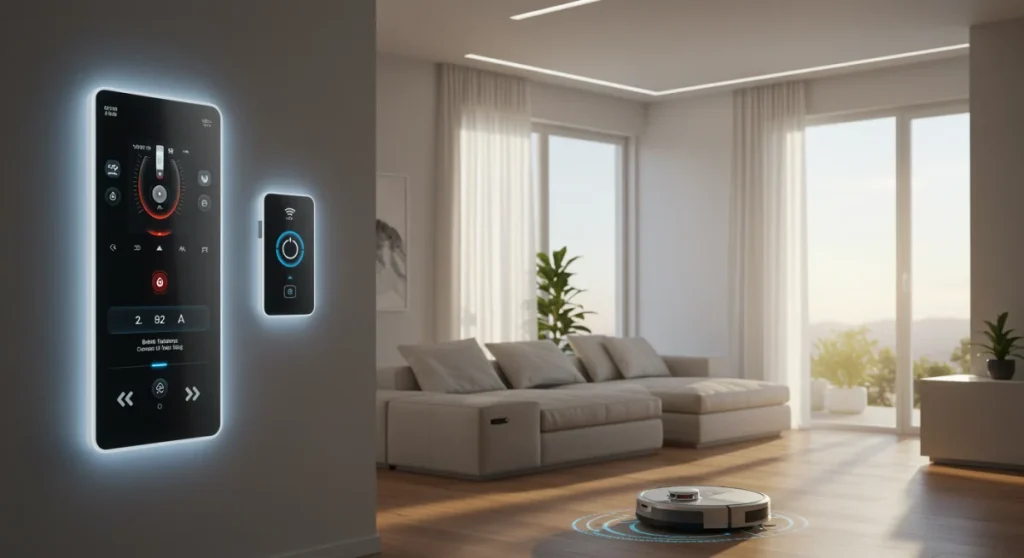
Advanced smart home routines in 2026 leverage AI and interconnected devices to create personalized, proactive environments that significantly enhance daily convenience, energy efficiency, and home security.
The landscape of home automation has evolved dramatically, moving far beyond simple voice commands and scheduled lighting. In 2026, advanced smart home routines are redefining daily convenience, offering sophisticated, personalized experiences that anticipate needs and optimize efficiency. This article delves into five cutting-edge routines you can implement to transform your living space into a truly intelligent environment.
The Evolution of Smart Home Automation
Smart homes have transitioned from a niche luxury to an accessible reality, with increasingly sophisticated capabilities. Early automation focused on individual device control, like turning lights on or off. Today, the emphasis has shifted towards creating seamless, intelligent ecosystems that work in harmony.
This evolution is driven by advancements in artificial intelligence, machine learning, and the Internet of Things (IoT). Devices no longer operate in isolation; they communicate, share data, and learn from user behavior, leading to truly personalized and proactive routines. The goal is to make technology disappear into the background, supporting your lifestyle without constant manual intervention.
From Simple Triggers to Contextual Awareness
No longer are routines just about ‘if this, then that.’ Modern smart home systems can now understand context. They consider factors like time of day, occupancy, weather patterns, and even your personal calendar to execute actions. This contextual awareness allows for a level of automation that feels intuitive and almost prescient.
- Personalized Adjustments: Systems learn individual preferences for lighting, temperature, and entertainment.
- Environmental Integration: Routines adapt based on external factors like sunrise, sunset, and local weather.
- Occupancy Sensing: Lights and climate control respond to who is home and where they are.
- Predictive Maintenance: AI can monitor device performance and alert you to potential issues before they become problems.
The integration of advanced sensors and AI-powered analytics means your home can predict your needs, optimize energy consumption, and enhance security without you lifting a finger. This holistic approach makes daily life smoother and more efficient, showcasing the true potential of smart home technology in 2026.
Routine 1: The Proactive Wellness Morning
Imagine waking up not to a jarring alarm, but to a gentle, personalized transition into your day. The Proactive Wellness Morning routine is designed to optimize your start, integrating light, sound, climate, and information in a harmonious sequence that promotes well-being and productivity.
This routine begins even before your eyes open, using smart lighting to simulate a natural sunrise, gradually increasing brightness to gently rouse you. Simultaneously, a smart speaker plays calming ambient sounds or your preferred news brief, easing you into consciousness rather than jolting you awake. Your smart thermostat adjusts to your ideal morning temperature, ensuring comfort from the moment you step out of bed.
Personalized Energy and Information Flow
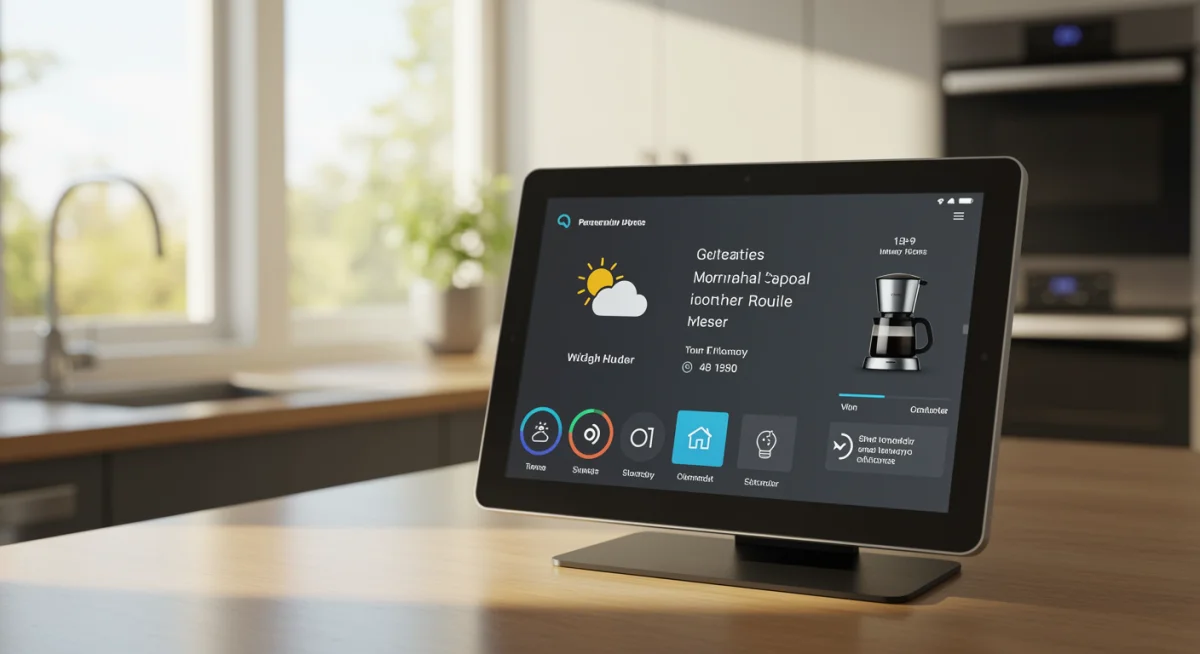
As you move through your home, the routine adapts. The kitchen lights brighten as you enter, and your smart coffee maker begins brewing your favorite coffee. Your smart display might present a summary of your calendar, weather forecast, and traffic conditions for your commute, all tailored to your personal profile. This seamless flow of information and environmental adjustments ensures you’re prepared and energized for the day ahead, all without manual input.
- Gradual Light Simulation: Smart bulbs mimic sunrise to naturally wake you.
- Ambient Soundscapes: Curated audio plays through smart speakers for a calm awakening.
- Climate Optimization: Thermostat adjusts to your preferred morning temperature.
- Automated Coffee/Tea: Smart appliances prepare your morning beverage.
This routine goes beyond simple scheduling; it learns your preferences and adapts to subtle changes in your daily rhythm, ensuring each morning is perfectly tailored to your wellness needs. It truly exemplifies how advanced smart home routines can foster a healthier, more relaxed start to the day.
Routine 2: Intelligent Home Security & Presence Simulation
Home security in 2026 is no longer just about alarms and cameras; it’s about intelligent, proactive deterrence and peace of mind. The Intelligent Home Security & Presence Simulation routine leverages advanced sensors, AI analytics, and interconnected devices to create a formidable defense against intruders and provide realistic occupancy simulation when you’re away.
When you leave your home, a single command or geofence trigger activates a comprehensive security protocol. Doors lock automatically, windows are secured, and motion sensors arm. But the intelligence goes further: AI-powered cameras can differentiate between pets, known individuals, and potential threats, minimizing false alarms. Beyond simple alerts, the system can communicate directly with emergency services in a verified threat scenario.
Dynamic Occupancy Simulation
When you’re away for extended periods, the presence simulation kicks in. This isn’t just random light switching. The system learns your typical patterns of light usage, TV watching, and even blind adjustments. It then intelligently mimics these patterns, turning lights on and off in different rooms, playing audio, and adjusting blinds at realistic times. This dynamic simulation makes it appear as though the home is occupied, deterring potential intruders far more effectively than static timers.
- AI-Powered Threat Detection: Cameras use machine learning to identify genuine threats.
- Automated Locking & Arming: Doors and sensors secure upon departure.
- Realistic Light & Sound Mimicry: Simulates occupancy based on learned patterns.
- Direct Emergency Services Integration: Expedited response in verified emergencies.
This routine offers a multi-layered approach to security, combining cutting-edge detection with intelligent deception to protect your home and provide unparalleled peace of mind. It’s a prime example of how advanced smart home routines are evolving to offer more than just basic protection.
Routine 3: Adaptive Energy Optimization & Comfort Management
Achieving optimal comfort while minimizing energy consumption is a core promise of smart homes in 2026. The Adaptive Energy Optimization & Comfort Management routine uses predictive algorithms and zone-based control to ensure your home is always at the perfect temperature, without wasting a single watt.
This routine integrates smart thermostats, window sensors, smart blinds, and even weather forecasts. Instead of simply turning the AC on when it’s hot, the system anticipates temperature changes. For instance, if a sunny afternoon is predicted, smart blinds might automatically lower to prevent solar heat gain, reducing the need for active cooling. Conversely, on a cold, sunny morning, blinds might open to allow passive solar heating.
Zone-Specific Climate Control
Further enhancing efficiency, zone-based climate control ensures that only occupied areas are heated or cooled to your preference. Motion sensors and occupancy detectors communicate with the HVAC system, directing conditioned air only where it’s needed. Over time, the system learns your comfort thresholds and adapts its strategies to balance comfort and energy savings, often without any manual input.
- Predictive Climate Control: Anticipates temperature changes based on forecasts.
- Automated Blind & Window Management: Leverages natural light and ventilation.
- Occupancy-Based Zoning: Heats/cools only active areas of the home.
- Continuous Learning Algorithms: Optimizes settings for peak efficiency and comfort.
By intelligently managing environmental factors, this routine significantly reduces energy bills while maintaining an ideal indoor climate. It showcases how advanced smart home routines contribute to both personal comfort and environmental sustainability.
Routine 4: Personalized Entertainment & Ambiance Control
Transform your living space into a dynamic, immersive entertainment hub with the Personalized Entertainment & Ambiance Control routine. This setup goes beyond merely turning on your TV; it creates a holistic sensory experience tailored to your mood and activity.
Imagine saying ‘Movie Night’ and instantly, your smart TV powers on, the projector descends, smart lights dim to a cinematic glow, smart blinds close, and the surround sound system calibrates for optimal audio. This routine integrates all your media devices, smart lighting, and even smart furniture (like reclining sofas) into a single, cohesive command, creating an instant cinematic experience.
Dynamic Ambiance for Every Mood
But entertainment isn’t just about movies. This routine can also create dynamic ambiances for different activities. Say ‘Relax Mode,’ and soft, warm lighting appears, gentle music plays, and perhaps a smart diffuser releases a calming scent. For a ‘Party Mode,’ lights might cycle through vibrant colors, upbeat music fills the space, and even background visuals appear on smart displays. The system learns your preferences for each scenario, making adjustments over time.
- One-Command Entertainment Setup: Activates multiple devices for movies, gaming, or music.
- Adaptive Lighting Profiles: Changes light color, intensity, and temperature based on activity.
- Integrated Audio Experience: Synchronizes sound across multiple speakers for immersive audio.
- Multi-Sensory Ambiance: Combines lights, sound, and scent for specific moods.
This routine demonstrates how advanced smart home routines can elevate everyday experiences into something truly extraordinary, making your home a dynamic canvas for your lifestyle and preferences.
Routine 5: Predictive Maintenance & Smart Appliance Management
The final advanced routine focuses on making your home truly proactive in its operation and longevity: Predictive Maintenance & Smart Appliance Management. In 2026, your smart home won’t just respond to your commands; it will anticipate issues and manage its own devices for optimal performance.
This routine involves smart appliances and integrated sensors constantly monitoring their own health and performance. Your smart refrigerator might alert you to a potential filter change, or your washing machine could notify you of an unusual vibration pattern that suggests a future problem. Beyond alerts, the system can automatically schedule maintenance checks with approved service providers, or even order replacement parts when necessary.
Automated Resource Management
Furthermore, this routine extends to resource management. Your smart home can monitor water and electricity usage patterns, identifying anomalies that could indicate leaks or inefficient appliances. It might suggest optimal times to run energy-intensive appliances based on utility rates or grid demand, saving you money and reducing your carbon footprint. This level of autonomous management frees you from mundane tasks and prevents costly breakdowns.
- Self-Monitoring Appliances: Devices report their health and potential issues.
- Automated Service Scheduling: Connects with technicians for proactive repairs.
- Resource Usage Analytics: Identifies inefficiencies in water and energy consumption.
- Optimized Appliance Scheduling: Runs devices during off-peak hours for savings.
This routine significantly enhances the reliability and efficiency of your home, turning it into a self-managing entity that cares for itself and its occupants. It’s a testament to how advanced smart home routines are moving towards truly intelligent and autonomous living.
| Key Routine | Brief Description |
|---|---|
| Proactive Wellness Morning | Gentle, personalized awakening with integrated light, sound, and climate for optimal start to the day. |
| Intelligent Security & Presence | AI-powered security with dynamic occupancy simulation to deter intruders and ensure peace of mind. |
| Adaptive Energy & Comfort | Optimizes climate control and energy use through predictive algorithms and zone-based adjustments. |
| Predictive Maintenance | Smart appliances monitor health, anticipate issues, and manage resources autonomously. |
Frequently Asked Questions About Advanced Smart Home Routines
Advanced routines offer contextual awareness and predictive capabilities, moving beyond simple triggers. They learn user preferences, integrate multiple data points (like weather and occupancy), and proactively adjust the home environment for enhanced convenience, energy efficiency, and security, creating a truly intelligent living space.
They use predictive algorithms to anticipate needs, like adjusting blinds before peak sun exposure or heating/cooling only occupied zones. By integrating with weather forecasts and learning usage patterns, they minimize wasted energy, such as running HVAC only when necessary or during off-peak utility hours, leading to significant savings.
Absolutely. Beyond basic alarms, these routines incorporate AI-powered cameras for intelligent threat detection and dynamic occupancy simulation. They mimic real-life activity patterns, making it appear as though the home is occupied, which is a powerful deterrent. Direct integration with emergency services also ensures faster response times during verified incidents.
Implementing these routines typically requires a central smart home hub, smart lighting (bulbs, switches), smart thermostats, various sensors (motion, door/window, occupancy), smart cameras, smart speakers, and compatible smart appliances. Interoperability between devices from different brands is becoming increasingly common, simplifying setup.
While basic automation is straightforward, advanced routines might require initial configuration and learning periods. However, modern smart home platforms offer intuitive interfaces and AI guidance to simplify the process. Over time, the systems learn and adapt, requiring less manual intervention, making them easier to manage as they become more personalized.
Conclusion
The year 2026 marks a significant leap in smart home technology, transforming our living spaces into truly intelligent, responsive environments. The five advanced smart home routines discussed—Proactive Wellness Morning, Intelligent Home Security & Presence Simulation, Adaptive Energy Optimization & Comfort Management, Personalized Entertainment & Ambiance Control, and Predictive Maintenance & Smart Appliance Management—are not just futuristic concepts; they are tangible enhancements available today. By embracing these routines, homeowners can unlock unprecedented levels of convenience, security, efficiency, and personalized comfort, making daily life smoother, more sustainable, and truly integrated with cutting-edge technology. The future of living is here, and it’s smarter than ever.