Matter Protocol: Smart Home Compatibility by Mid-2026
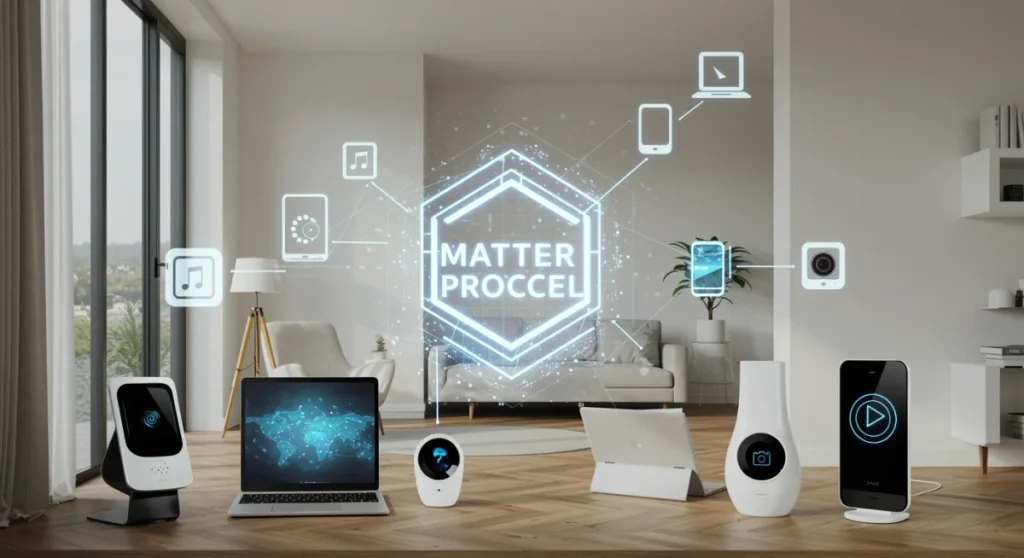
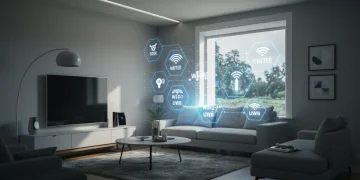
The Matter Protocol Compatibility is poised to redefine smart home device compatibility by mid-2026, promising a unified and interoperable ecosystem that simplifies setup and enhances user experience across various brands and platforms.
The landscape of smart home technology has long been characterized by fragmentation, with devices from different manufacturers often struggling to communicate seamlessly. This challenge has historically hindered mass adoption and created frustration for consumers. However, a significant shift is underway with the advent of the Matter Protocol, a new industry-wide standard designed to unify the smart home ecosystem. This article will delve into what Matter is, its core principles, and how it is set to transform smart home device compatibility by mid-2026, promising a future of effortless integration and enhanced user experience.
The Genesis of Matter: Solving Smart Home Fragmentation
The journey towards a truly interconnected smart home has been a winding one, marked by proprietary ecosystems and limited interoperability. Consumers frequently face the dilemma of choosing between devices that only work with specific hubs or platforms, leading to a complex and often expensive setup. This fragmentation has been a major barrier to the widespread adoption of smart home technology, creating a need for a universal solution.
Recognizing this critical challenge, major tech companies came together under the Connectivity Standards Alliance (CSA), formerly the Zigbee Alliance, to develop a new open-source standard. This collaborative effort aimed to create a foundational technology that would allow smart home devices to communicate reliably and securely, regardless of brand or ecosystem. The result of this ambitious undertaking is Matter, a protocol built on Internet Protocol (IP) that promises to usher in a new era of simplicity and interoperability for the smart home.
The Need for a Unified Standard
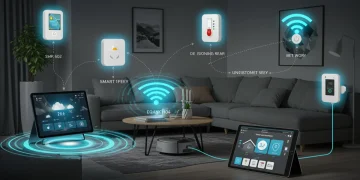
Before Matter, consumers often had to navigate a maze of different apps and protocols, each vying for control of their smart home devices. Imagine having a smart light bulb from one brand, a thermostat from another, and a security camera from a third – each requiring its own app and potentially its own hub. This not only added to the cost but also significantly complicated the user experience. The smart home, intended to simplify life, often did the opposite.
- Proprietary Ecosystems: Many manufacturers developed their own closed systems, locking users into a single brand.
- Interoperability Challenges: Devices from different brands often could not communicate with each other, limiting automation possibilities.
- Complex Setup: Installing and configuring multiple devices from various vendors could be daunting for the average user.
- Security Concerns: Diverse protocols meant varying security standards, creating potential vulnerabilities.
The push for Matter was driven by a collective desire to overcome these hurdles, providing a cohesive foundation upon which a truly intelligent and user-friendly smart home could be built. It’s about making smart home technology accessible and enjoyable for everyone, not just tech enthusiasts.
Core Principles and Technologies Behind Matter Protocol
At its heart, the Matter Protocol is designed around several key principles that promise to revolutionize smart home interactions. These principles focus on making devices work together effortlessly, securely, and reliably. Understanding these foundational elements is crucial to appreciating the impact Matter will have on the future of connected living.
Matter leverages existing, proven technologies to create a robust and flexible framework. It doesn’t seek to reinvent the wheel but rather to standardize the language devices use to communicate. This approach allows for broad compatibility and easier adoption by manufacturers, as they can build upon established hardware and software components.
IP-Based Communication
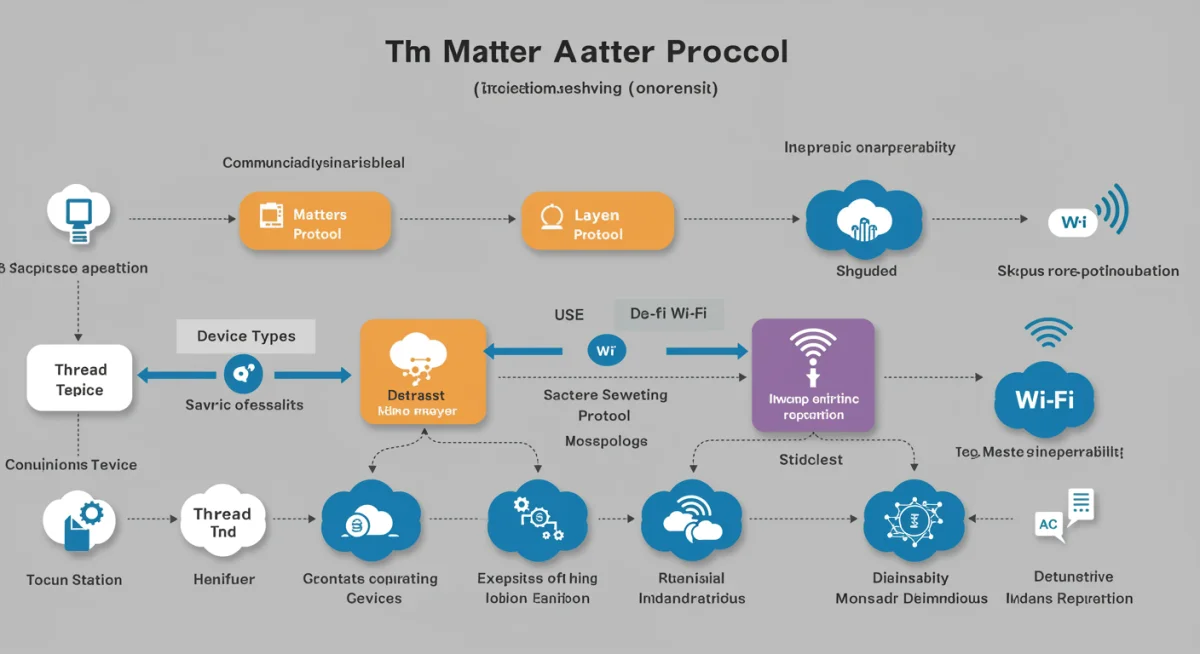
One of Matter’s most significant strengths is its reliance on Internet Protocol (IP). By using IP, Matter devices can communicate over familiar networks like Wi-Fi and Ethernet, and also over Thread, a mesh networking technology specifically designed for low-power IoT devices. This IP-centric approach means Matter devices can interact directly with each other and with the internet, simplifying network architecture and enhancing flexibility.
- Wi-Fi: Ideal for devices requiring high bandwidth, like smart cameras or streaming devices.
- Thread: A low-power, self-healing mesh network perfect for smaller devices like sensors and light bulbs.
- Ethernet: Provides reliable, high-speed wired connections for devices like smart hubs or bridges.
This multi-protocol support ensures that Matter can accommodate a wide range of smart home products, from battery-powered sensors to always-on appliances, all while maintaining a unified communication standard. The ability for devices to communicate locally, without relying on cloud services for every command, also enhances responsiveness and privacy.
Enhanced Security and Privacy in the Matter Ecosystem
In an increasingly connected world, security and privacy are paramount, especially when it comes to devices within our homes. The Matter Protocol places a strong emphasis on these aspects, integrating robust security measures from the ground up. This commitment aims to build consumer trust and ensure that smart homes are not only convenient but also safe and secure environments.
Matter’s security framework is designed to protect user data and prevent unauthorized access to devices and networks. It addresses common vulnerabilities found in earlier smart home technologies, providing a more resilient and trustworthy foundation for connected living. This proactive approach to security is a significant advantage for both consumers and manufacturers.

Robust Encryption and Authentication
Every Matter device is required to implement strong encryption for all communications, ensuring that data transmitted between devices and over networks remains private and protected from eavesdropping. Furthermore, devices undergo a rigorous authentication process during commissioning, verifying their legitimacy and preventing rogue devices from joining the network.
- Device Attestation: Each Matter device comes with a unique digital certificate, verifying its authenticity.
- Secure Commissioning: A secure pairing process ensures only authorized devices can join the Matter network.
- End-to-End Encryption: All data exchanged between Matter devices is encrypted, safeguarding personal information.
- Regular Updates: The protocol supports secure over-the-air (OTA) updates to patch vulnerabilities and enhance security features.
This multi-layered security approach provides a significant upgrade over many existing smart home protocols, offering peace of mind to users concerned about their digital safety. By standardizing security practices, Matter reduces the complexity for manufacturers and provides a consistent level of protection across the ecosystem.
The Impact on Manufacturers and Developers by Mid-2026
The introduction and widespread adoption of the Matter Protocol will profoundly impact smart home device manufacturers and developers. By mid-2026, we anticipate a significant shift in how products are designed, developed, and brought to market. The standardization offered by Matter is expected to streamline development processes, reduce costs, and accelerate innovation.
For years, manufacturers have had to contend with developing products that support multiple proprietary protocols, often requiring separate teams and significant resources. Matter simplifies this by providing a single, unified standard, allowing companies to focus more on product features and user experience rather than complex interoperability issues.
Streamlined Development and Reduced Costs
With a common language for smart home devices, manufacturers no longer need to invest heavily in supporting diverse ecosystems. This means fewer development cycles, less testing, and ultimately, lower costs. The open-source nature of Matter also fosters a collaborative environment, with shared tools and resources that benefit the entire industry.
- Single SDK: Developers can use one Software Development Kit (SDK) to build Matter-compatible devices.
- Broader Market Access: Matter-certified products can seamlessly integrate with any Matter controller, expanding their market reach.
- Faster Time-to-Market: Reduced complexity in development translates to quicker product launches.
- Innovation Focus: Manufacturers can redirect resources from interoperability challenges to creating innovative features.
This shift will likely lead to a more competitive market, where smaller companies can more easily enter the smart home space, and established players can innovate more rapidly. Consumers will ultimately benefit from a wider array of high-quality, interoperable products.
Benefits for Consumers: A Seamless Smart Home Experience
For the end-user, the Matter Protocol promises a revolution in smart home usability. By mid-2026, the frustrations of incompatible devices and complex setups are expected to largely become a thing of the past. Consumers can look forward to a truly seamless and intuitive smart home experience, where devices just work together, effortlessly.
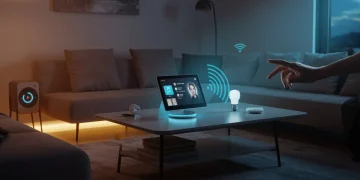
The core promise of Matter is simplicity. Imagine purchasing a new smart device, scanning a QR code, and having it instantly connect and integrate into your existing smart home, regardless of the brand of your hub or other devices. This level of ‘plug-and-play’ functionality has been a long-standing dream for smart home enthusiasts, and Matter is making it a reality.
Effortless Setup and Enhanced Control
One of the most significant advantages for consumers will be the simplified setup process. No more struggling with multiple apps or complex network configurations. Matter-certified devices will be easily discoverable and configurable across different platforms, meaning you can control all your devices from your preferred smart home app, whether it’s Apple Home, Google Home, Amazon Alexa, or others.
- Universal Compatibility: Devices from different brands will work together seamlessly.
- Simplified Onboarding: Quick and easy device setup with standardized pairing methods.
- Local Control: Enhanced responsiveness and privacy with devices communicating directly on your local network.
- Future-Proofing: Matter’s open standard ensures devices will remain compatible with future updates and new products.
This newfound simplicity will not only make smart homes more accessible to a broader audience but also allow existing users to expand their setups with greater confidence and less hassle. The focus shifts from managing technology to enjoying the benefits of a truly smart living space.
Challenges and the Road Ahead for Matter Adoption
While the Matter Protocol holds immense promise, its journey to universal adoption is not without challenges. Integrating a new standard across an entire industry as diverse as smart home technology requires significant coordination, ongoing development, and overcoming various technical and market hurdles. The period leading up to mid-2026 will be crucial for addressing these issues and solidifying Matter’s position.
One primary challenge lies in the sheer volume of existing smart home devices that are not Matter-compatible. While many manufacturers are offering software updates for newer devices, older generations may never gain Matter support, creating a transitional period where both old and new standards coexist. Educating consumers and ensuring a smooth migration path will be vital.
Overcoming Technical and Market Hurdles
Despite the strong industry backing, there are still technical complexities to navigate. Ensuring consistent performance across different device types, manufacturers, and network conditions requires continuous refinement of the protocol. Moreover, the competitive landscape of the smart home market means some companies might be slower to fully embrace the open standard, preferring to protect their proprietary ecosystems.
- Legacy Device Support: Bridging the gap between existing non-Matter devices and the new standard.
- Consumer Education: Clearly communicating the benefits and how to transition to Matter.
- Developer Adoption: Ensuring a critical mass of developers build Matter-compatible products and applications.
- Standardization Evolution: The need for continuous updates and extensions to the Matter specification as technology advances.
The success of Matter hinges on sustained industry collaboration and a commitment to its open-source principles. By mid-2026, we expect to see significant progress, but the full realization of a seamlessly interoperable smart home will be an ongoing process, requiring adaptation and continuous improvement from all stakeholders.
| Key Aspect | Brief Description |
|---|---|
| Interoperability | Enables devices from different brands to communicate seamlessly. |
| Security & Privacy | Built-in robust encryption and authentication for enhanced user data protection. |
| Ease of Use | Simplifies device setup and control for a more intuitive smart home experience. |
| Industry Adoption | Backed by major tech companies, driving widespread manufacturer and developer support. |
Frequently Asked Questions About Matter Protocol
Matter is an open-source connectivity standard for smart home devices, designed to ensure seamless interoperability between products from different brands and ecosystems. It aims to simplify setup, enhance security, and provide a unified control experience for consumers.
While Matter-certified devices are already available, significant widespread adoption and transformation of smart home device compatibility are anticipated by mid-2026. This timeline allows for broader manufacturer integration and consumer awareness, making it a prevalent standard.
Matter incorporates robust security features, including device attestation, secure commissioning, and end-to-end encryption for all communications. This multi-layered approach ensures data privacy and protects against unauthorized access, building greater trust in smart home technology.
Some newer devices may receive over-the-air software updates to enable Matter compatibility. However, many older devices might require a Matter-compatible hub or bridge to integrate into the ecosystem, or may not be compatible at all. Check with your device manufacturer for specifics.
Consumers will experience universal compatibility, simplified device setup, enhanced local control for faster response and better privacy, and a more future-proof smart home ecosystem. It aims to make smart home technology more accessible and user-friendly for everyone.
Conclusion
The Matter Protocol represents a pivotal moment for the smart home industry, promising to untangle years of fragmentation and usher in an era of unprecedented compatibility and user-friendliness. By mid-2026, we can expect to see a dramatically different smart home landscape, one where devices from competing brands communicate effortlessly, setup is a breeze, and security is a foundational guarantee. While challenges remain in full adoption and transitioning existing ecosystems, the momentum behind Matter, backed by industry giants, suggests a future where our smart homes are truly intelligent, intuitive, and seamlessly integrated. This evolution will not only simplify our lives but also unlock the full potential of connected living for a broader audience, making smart home technology a genuinely accessible and beneficial part of everyday life.