Smart Home Cybersecurity in 2026: 5 Essential Devices to Protect Your Data

By 2026, safeguarding your smart home requires proactive measures and specialized devices to protect against increasingly sophisticated cyber threats, ensuring data privacy and system integrity.
The landscape of home technology is evolving at an unprecedented pace, bringing with it both unparalleled convenience and complex security challenges. As we approach 2026, understanding smart home cybersecurity in 2026: 5 essential devices to protect your data from new threats becomes not just important, but critical for every connected household.
The Evolving Threat Landscape in Smart Homes
The convenience offered by smart home devices, from intelligent thermostats to voice-activated assistants, has made them indispensable. However, this interconnectedness also creates a broader attack surface for cybercriminals. The threats are no longer theoretical; they are real, sophisticated, and constantly evolving.
In 2026, we face an array of advanced threats that go beyond simple malware. We’re talking about sophisticated phishing attacks targeting smart device credentials, ransomware designed to lock down home automation systems, and even nation-state actors potentially exploiting vulnerabilities for espionage or disruption. Protecting your digital sanctuary demands a proactive approach and the right tools.
Understanding New Attack Vectors
Cybercriminals are increasingly leveraging artificial intelligence (AI) and machine learning (ML) to identify and exploit vulnerabilities faster than ever before. This includes:
- AI-powered phishing: Highly personalized and convincing attacks that trick users into revealing sensitive information.
- Zero-day exploits: Exploiting unknown vulnerabilities before developers can patch them.
- Supply chain attacks: Compromising devices during manufacturing or distribution.
These new vectors highlight the need for robust, multi-layered security solutions that can adapt to rapid changes in the threat landscape. Relying solely on basic password protection or infrequent software updates is no longer sufficient to secure your smart home ecosystem.
The complexity of these threats necessitates a shift in how we perceive and implement smart home security. It is no longer about individual device protection, but about securing the entire connected ecosystem, from the network gateway to every single IoT device. This holistic view is crucial for effective defense in the coming years.
Device 1: Advanced AI-Powered Network Security Gateways
At the forefront of smart home defense in 2026 are advanced AI-powered network security gateways. These aren’t your average routers; they are intelligent command centers designed to monitor, detect, and neutralize threats at the perimeter of your home network before they can even reach your devices.
These gateways leverage artificial intelligence and machine learning algorithms to analyze network traffic patterns, identify anomalies, and proactively block suspicious activities. They learn your home network’s normal behavior, making it incredibly difficult for new threats to slip through undetected. Think of it as a highly vigilant digital guard dog for your entire smart home.
Key Features of Next-Gen Security Gateways
- Real-time threat detection: Instant identification and blocking of malware, ransomware, and phishing attempts.
- Behavioral analytics: Learning and profiling device behavior to flag unusual activities.
- Automated vulnerability scanning: Continuously checking all connected devices for known weaknesses.
- Intrusion prevention systems (IPS): Actively preventing unauthorized access and attacks.
Unlike traditional firewalls that rely on predefined rules, these AI-driven gateways adapt and evolve, providing a dynamic defense against emerging threats. They can isolate compromised devices, notify users of potential breaches, and even automatically apply patches or updates to mitigate risks.
Investing in a high-quality AI-powered network security gateway is the foundational step towards a truly secure smart home in 2026. It acts as the first line of defense, protecting all your smart devices from external attacks and ensuring the integrity of your home network.
Device 2: Dedicated IoT Security Hubs
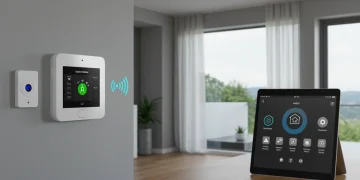
While network security gateways protect the perimeter, dedicated IoT security hubs provide an additional layer of defense specifically tailored for your smart devices. These hubs act as central controllers, managing and monitoring the security posture of every IoT gadget in your home, from smart locks to connected appliances.
Many smart devices, especially older models, often lack robust built-in security features, making them easy targets for attackers. An IoT security hub fills this gap by creating a secure, isolated network segment for these devices, preventing them from directly exposing your main home network to vulnerabilities. It’s like putting all your potentially vulnerable devices in a heavily guarded digital room.
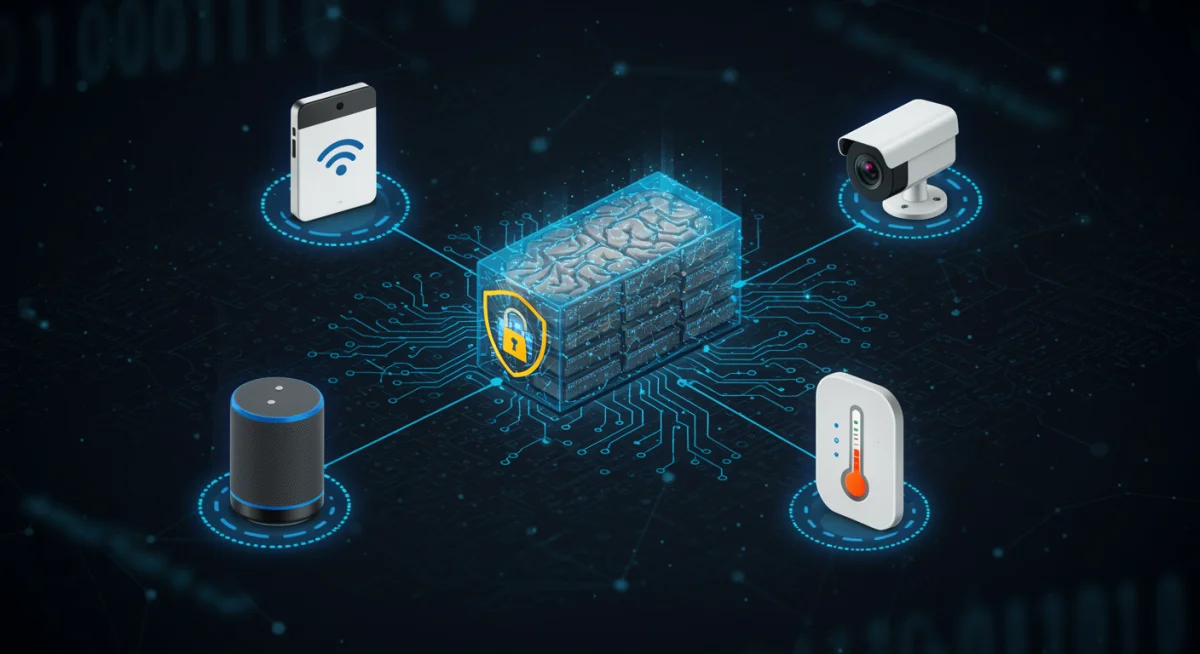
These hubs can enforce strict security policies, monitor device-to-device communication, and detect if a specific smart device has been compromised. If a breach is detected, the hub can automatically quarantine the device, preventing the attack from spreading to other parts of your network.
Benefits of an IoT Security Hub
- Device isolation: Segregates vulnerable IoT devices from your primary network.
- Firmware integrity checks: Verifies that device firmware hasn’t been tampered with.
- Encrypted communication: Ensures all data exchanged between devices and the hub is secure.
- Automated security updates: Manages and pushes security patches to connected devices.
The rise of numerous smart devices, each with varying levels of security, makes an IoT security hub an indispensable component of a modern smart home defense strategy. It centralizes control and provides granular security management for the diverse range of gadgets in your environment.
Device 3: Biometric Authentication Devices with Multi-Factor Support
Password-based security, while still relevant, is increasingly vulnerable to sophisticated attacks like brute force and phishing. In 2026, biometric authentication devices, particularly those supporting multi-factor authentication (MFA), are becoming essential for securing access to your smart home systems and sensitive data.
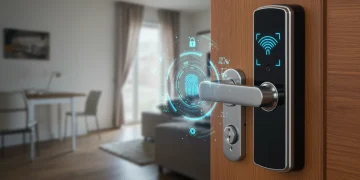
These devices go beyond simple fingerprint scanners. We are seeing advanced facial recognition systems, iris scanners, and even behavioral biometrics that analyze typing patterns or gait. When combined with a second factor, such as a one-time password (OTP) sent to your phone or a physical security key, they create an incredibly strong barrier against unauthorized access.
Implementing biometric MFA for critical smart home functions, like disarming security systems, unlocking smart doors, or accessing sensitive personal data stored on home servers, significantly enhances security. It ensures that even if a password is stolen, access remains protected by something only you possess or are.
Advanced Biometric Solutions
- Liveness detection: Preventing spoofing attempts with photos or masks.
- Adaptive MFA: Adjusting security requirements based on context (e.g., location, time of day).
- Hardware-based security modules: Storing biometric data securely on dedicated chips.
The convenience of simply looking at a camera or touching a sensor to gain secure access, combined with the robust protection of MFA, makes these devices a cornerstone of smart home cybersecurity in 2026. They move beyond traditional security paradigms, offering a more intuitive yet highly secure user experience.
Device 4: Privacy-Focused Smart Cameras and Microphones
Smart cameras and microphones are undoubtedly useful for security monitoring and voice control, but they also represent significant privacy risks if not properly secured. In 2026, privacy-focused smart cameras and microphones are essential devices designed to offer functionality without compromising your personal space.
These devices incorporate advanced features such as local processing of data (edge AI), physical privacy shutters for cameras, and mute buttons for microphones that genuinely cut off power to the audio input. They are built with privacy by design, meaning security and data protection are integrated from the ground up, not as an afterthought.
Look for devices that offer end-to-end encryption for all transmitted data, store recordings locally rather than in the cloud by default, and provide transparent privacy policies. Some advanced models even feature AI that can redacts faces or blur backgrounds before sending data to the cloud, further protecting privacy.
Privacy Enhancing Features
- Physical privacy shutters: Manual or automated covers for camera lenses.
- Hardware mute buttons: Physically disconnects microphones from power.
- Local data processing: AI processing happens on the device, minimizing cloud data transfer.
- Transparent data policies: Clear understanding of how data is collected, used, and stored.
Choosing privacy-focused smart cameras and microphones is crucial for maintaining trust and control over your personal data within your smart home. They allow you to enjoy the benefits of these devices without constantly worrying about surveillance or unauthorized access to your private moments.
Device 5: Secure Smart Home Operating Systems and Ecosystems
Beyond individual devices, the underlying smart home operating system (OS) and ecosystem play a pivotal role in overall security. In 2026, investing in secure, regularly updated smart home OS platforms is paramount to protecting your data from new threats.
Many smart homes rely on a patchwork of devices from different manufacturers, often leading to compatibility issues and security gaps. A secure smart home OS, whether it’s a proprietary system or an open-source platform, acts as a unified, hardened foundation that ensures all connected devices communicate securely and receive timely updates.
These advanced OSes offer centralized security management, allowing you to monitor the health of your entire smart home from a single dashboard. They prioritize privacy, employ strong encryption standards, and are designed to resist common attack vectors. Regular, automatic over-the-air (OTA) updates are a hallmark of a secure ecosystem, patching vulnerabilities as soon as they are discovered.
Characteristics of a Secure Smart Home OS
- Unified security dashboard: Centralized control and monitoring of all device security.
- Mandatory security updates: Ensures devices are always running the latest, most secure software.
- Strong encryption protocols: Secures all internal and external communications.
- Open standards and interoperability: Promotes secure integration with diverse devices.
Opting for a smart home ecosystem built on a strong, secure operating system reduces the risk of vulnerabilities arising from disparate devices and provides a more cohesive, manageable security posture for your entire connected living space. It’s the infrastructure that holds your smart home’s defenses together.
Proactive Strategies for Smart Home Security in 2026
While the right devices are crucial, a proactive mindset and consistent security practices are equally important for smart home cybersecurity in 2026. Technology evolves, and so should your approach to protecting your digital sanctuary.
Regularly auditing your smart devices, changing default passwords, and enabling multi-factor authentication wherever possible are basic but effective steps. Beyond that, staying informed about the latest cyber threats and understanding how they might impact your specific devices is key. Subscribing to security newsletters or following reputable tech blogs can keep you updated.
Essential Proactive Measures
- Regular software and firmware updates: Always apply updates immediately to patch vulnerabilities.
- Strong, unique passwords: Use complex passwords for every device and account.
- Network segmentation: Create a separate guest network and an IoT-specific network.
- Data backup: Regularly back up critical data from smart storage devices.
- Review privacy settings: Periodically check and adjust privacy settings on all devices.
Educating every member of your household about smart home security best practices is also vital. A single compromised device, due to a click on a malicious link or a weak password, can jeopardize the security of your entire home. A collective effort ensures a stronger defense.
Ultimately, a truly secure smart home in 2026 is a combination of cutting-edge technology and diligent user behavior. By integrating essential security devices and adopting proactive strategies, you can enjoy the benefits of smart living with peace of mind, knowing your data and privacy are well-protected.
| Key Security Device | Brief Description |
|---|---|
| AI-Powered Network Gateways | Monitors and blocks threats at the network perimeter using AI and ML. |
| Dedicated IoT Security Hubs | Centralizes security for all smart devices, isolating and monitoring them. |
| Biometric MFA Devices | Secures access with advanced biometrics and multi-factor authentication. |
| Privacy-Focused Cameras & Mics | Offers smart functionality with built-in privacy features like physical shutters. |
Frequently Asked Questions About Smart Home Cybersecurity
By 2026, the increasing sophistication of cyber threats, coupled with the proliferation of smart devices, makes robust cybersecurity essential. New AI-powered attacks and zero-day exploits demand advanced protection to safeguard personal data and prevent system compromises.
An AI-powered network security gateway is a device that uses artificial intelligence to monitor and protect your entire home network. It’s crucial because it detects and blocks advanced threats at the network’s entry point, learning normal behavior to identify and neutralize anomalies before they reach your devices.
IoT security hubs specifically manage and monitor the security of individual smart devices, often creating isolated network segments. Unlike standard firewalls that protect the network perimeter, hubs focus on internal device-to-device communication and firmware integrity, addressing the unique vulnerabilities of IoT gadgets.
Yes, especially when combined with multi-factor authentication (MFA). Biometric devices use unique physical traits, making them harder to steal or guess than passwords. When MFA is added, it requires a second verification step, significantly enhancing security against unauthorized access to critical smart home functions.
Secure smart home operating systems provide a unified, hardened foundation for all connected devices. They offer centralized security management, enforce strong encryption, and ensure timely updates, mitigating vulnerabilities that arise from disparate devices. This cohesive approach is vital for overall smart home security.
Conclusion
As we navigate towards 2026, the integration of smart technology into our homes will only deepen, making the discussion around smart home cybersecurity more pressing than ever. Protecting your digital life requires more than just awareness; it demands action and the adoption of advanced security measures. By strategically implementing AI-powered network security gateways, dedicated IoT security hubs, biometric authentication devices with MFA, privacy-focused cameras and microphones, and secure smart home operating systems, you can fortify your digital perimeter against the evolving landscape of cyber threats. Embracing these essential devices and maintaining proactive security habits will ensure that your smart home remains a sanctuary of convenience and safety, safeguarding your data and privacy for years to come.