Anúncios
The 2026 Digital Security Outlook: 3 Critical Threats Facing US Businesses and How to Prepare Now
The landscape of digital security is perpetually evolving, but as we look towards the 2026 digital security outlook, the pace of change and the sophistication of threats are accelerating at an unprecedented rate. For US businesses, this isn’t just about keeping up; it’s about anticipating, fortifying, and building an adaptive resilience that can withstand the next generation of cyberattacks. The stakes have never been higher. Data breaches can cripple operations, erode customer trust, and incur massive financial penalties. In an increasingly interconnected world, where digital transformation is no longer optional but essential, the perimeter of an organization’s digital assets has expanded exponentially, creating new vectors for attack.
Understanding the 2026 digital security outlook requires a proactive mindset, moving beyond reactive defense mechanisms to embrace predictive and preventative strategies. This article will delve into the three most critical threats poised to dominate the digital security landscape for US businesses in 2026. We will not only identify these formidable challenges but also provide actionable insights and best practices to help organizations prepare comprehensively, safeguard their invaluable digital assets, and ensure business continuity in the face of relentless cyber aggression.
The convergence of advanced technologies, complex global supply chains, and escalating geopolitical tensions has created a perfect storm for cybercriminals and state-sponsored actors alike. Businesses that fail to adapt their cybersecurity posture will find themselves increasingly vulnerable. Therefore, a deep dive into these emerging threats is not merely an academic exercise; it is a vital imperative for survival and sustained growth in the digital economy.
Anúncios
Threat 1: The Proliferation of AI-Powered Cyberattacks
Artificial Intelligence (AI) and Machine Learning (ML) have revolutionized countless industries, offering unparalleled efficiencies and innovative solutions. However, this powerful technology is a double-edged sword. As we approach the 2026 digital security outlook, one of the most significant and rapidly escalating threats will be the weaponization of AI by malicious actors. Cybercriminals are no longer relying solely on manual exploits; they are leveraging AI to automate, scale, and sophisticate their attacks to a degree previously unimaginable.
Sophisticated Phishing and Social Engineering
AI-powered tools can generate hyper-realistic phishing emails, voice deepfakes, and even video deepfakes that are virtually indistinguishable from legitimate communications. These advanced social engineering tactics can bypass traditional human detection, tricking employees into divulging sensitive information or granting unauthorized access. Imagine an AI-generated voice clone of a CEO instructing a finance department to transfer funds, or a perfectly crafted email, devoid of typical grammatical errors, that appears to come from a trusted vendor. The sheer volume and convincing nature of these attacks will make them incredibly difficult to detect.
Autonomous Malware and Evasion Techniques
The 2026 digital security outlook anticipates the rise of autonomous malware capable of learning and adapting in real-time. These intelligent threats can observe network behavior, identify security weaknesses, and modify their attack patterns to evade detection by conventional antivirus and intrusion detection systems. AI can also be used to develop polymorphic malware that constantly changes its code, making signature-based detection obsolete. This self-evolving nature of AI-driven threats presents a formidable challenge for static security measures.
Anúncios
Accelerated Vulnerability Exploitation
AI algorithms can rapidly scan vast networks for vulnerabilities, identify zero-day exploits, and even generate custom attack code faster than human analysts. This capability drastically reduces the window of opportunity for organizations to patch and secure their systems. Furthermore, AI can orchestrate complex, multi-stage attacks, coordinating different attack vectors to achieve maximum impact, making attribution and defense significantly more challenging.
Preparing for AI-Powered Attacks: A Multi-Layered Defense
To combat these evolving threats, businesses must adopt an equally advanced and adaptive security posture. Here’s how to prepare:
- Invest in AI-Powered Defense: Fight AI with AI. Deploy AI-driven security solutions for threat detection, anomaly detection, and behavioral analysis. These systems can identify suspicious patterns and deviations that human analysts or traditional rules-based systems might miss.
- Enhanced Employee Training: Regular and sophisticated security awareness training is crucial. Employees need to be educated about deepfake threats, advanced phishing techniques, and the importance of verifying requests through multiple channels. Simulations of AI-powered attacks can help build resilience.
- Multi-Factor Authentication (MFA) Everywhere: Implement MFA across all systems and applications. Even if credentials are compromised, MFA adds a critical layer of defense, making it significantly harder for attackers to gain access.
- Robust Endpoint Detection and Response (EDR) / Extended Detection and Response (XDR): These solutions use AI and behavioral analytics to monitor endpoints and networks for malicious activity, providing faster detection and response capabilities against sophisticated attacks.
- Proactive Threat Hunting: Move beyond passive defense. Employ security teams or services that actively hunt for threats within your network, leveraging threat intelligence and AI-driven tools to uncover hidden vulnerabilities and ongoing attacks.
- Continuous Vulnerability Management: Regularly scan for vulnerabilities, conduct penetration testing, and prioritize patching critical systems to minimize the attack surface that AI-powered tools can exploit.
Threat 2: Amplified Supply Chain Vulnerabilities
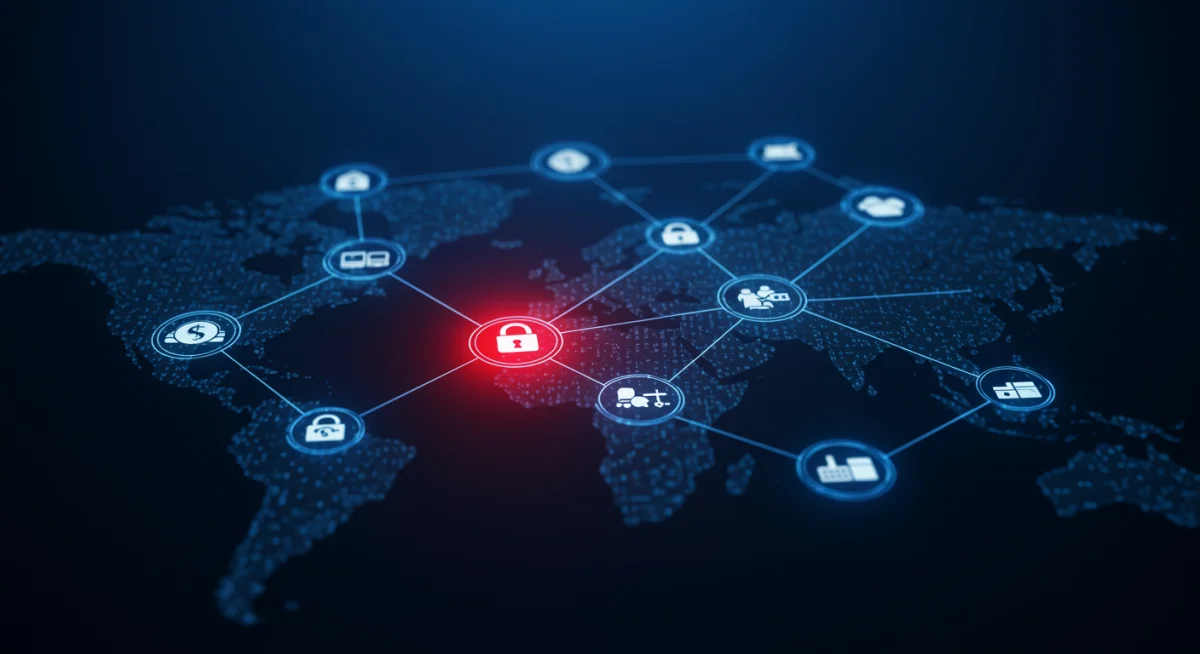
The globalized economy means that businesses are increasingly reliant on a complex web of third-party vendors, suppliers, and service providers. While this interdependence fosters efficiency, it also introduces significant cybersecurity risks. The 2026 digital security outlook predicts a dramatic increase in attacks targeting these supply chains, not just as a means to disrupt operations, but as a strategic entry point into larger, more lucrative targets.
The “Weakest Link” Phenomenon
Attackers understand that compromising a smaller, less secure vendor can provide a backdoor into a larger organization. The SolarWinds attack of 2020 served as a stark reminder of how a single vulnerability in a widely used software product could compromise thousands of government agencies and private companies. As supply chains become more digitized and intertwined, the number of potential entry points multiplies, making it challenging to maintain consistent security standards across the entire ecosystem.
Software Supply Chain Attacks
The integrity of software components is paramount. Attackers are increasingly injecting malicious code into open-source libraries, third-party components, or even legitimate software updates. When businesses integrate these compromised elements into their own products or systems, they inadvertently introduce vulnerabilities. The 2026 digital security outlook will see an escalation of these types of attacks, requiring a much more rigorous approach to software provenance and integrity.
Data Interception and Manipulation
Beyond direct access, supply chain attacks can also involve the interception and manipulation of data flowing between partners. This could lead to intellectual property theft, fraudulent transactions, or the compromise of sensitive customer information. The sheer volume of data exchanged across supply chains makes it a rich target for sophisticated adversaries.
Fortifying the Supply Chain: A Collaborative Approach
Addressing supply chain vulnerabilities requires a holistic and collaborative strategy:
- Vendor Risk Management (VRM) Programs: Establish robust VRM programs to assess and continuously monitor the cybersecurity posture of all third-party vendors. This includes due diligence before onboarding, regular security audits, and contractual obligations for cybersecurity standards.
- Software Bill of Materials (SBOMs): Demand SBOMs from software vendors. An SBOM provides a comprehensive list of all components, libraries, and dependencies used in a piece of software, allowing organizations to identify potential vulnerabilities within their software stack.
- Network Segmentation and Zero Trust: Implement strict network segmentation to isolate critical systems and data. Adopt a Zero Trust architecture, which assumes no user or device, whether internal or external, should be trusted by default. Every access request must be authenticated and authorized.
- Secure Development Lifecycle (SDL): Encourage and, where possible, enforce secure development practices throughout the software development lifecycle, both internally and with third-party developers. This includes secure coding, regular code reviews, and vulnerability testing.
- Incident Response Planning with Third Parties: Develop incident response plans that extend to your critical third-party vendors. Establish clear communication channels and protocols for addressing security incidents that originate within or impact the supply chain.
- Continuous Monitoring of Third-Party Access: Regularly review and audit the access rights of third-party vendors to your systems and data. Ensure that access is granted on a least-privilege basis and revoked promptly when no longer needed.
Threat 3: Escalating Geopolitical Cyber Warfare
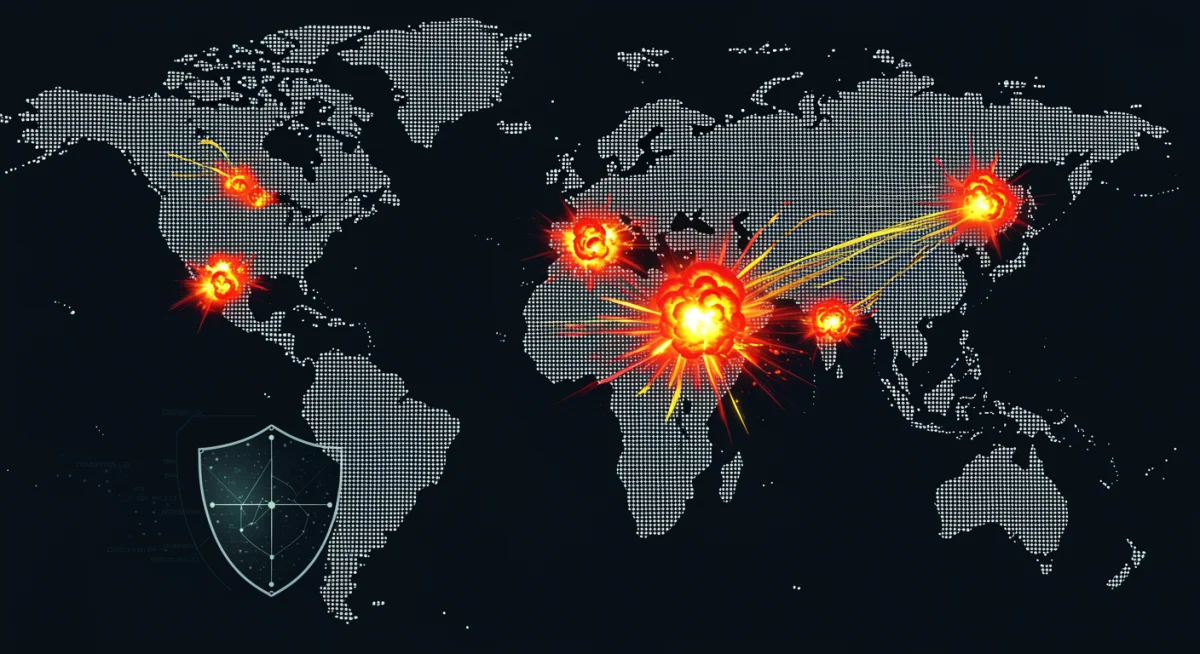
The digital realm has become an increasingly significant battleground for state-sponsored actors. The 2026 digital security outlook points to a continued and intensified use of cyber warfare as a tool for espionage, sabotage, and influence by nation-states. US businesses, particularly those in critical infrastructure, defense, technology, and finance sectors, are often caught in the crossfire or become direct targets.
Espionage and Intellectual Property Theft
Nation-states actively engage in cyber espionage to steal sensitive government and corporate data, including intellectual property, R&D secrets, and strategic business plans. This theft can provide a significant economic and military advantage to rival nations, undermining the competitiveness and security of US businesses.
Critical Infrastructure Attacks
Cyberattacks on critical infrastructure (energy grids, water treatment plants, transportation systems, healthcare facilities) pose a direct threat to national security and public safety. While often aimed at governments, private companies frequently own and operate these infrastructures, making them prime targets. The goal is often disruption, sabotage, or even physical damage, with significant economic and societal consequences.
Disinformation Campaigns and Influence Operations
Beyond direct attacks, nation-states also leverage cyber capabilities for disinformation campaigns and influence operations. These can manipulate public opinion, sow discord, and damage the reputation of businesses or industries. While not a direct system compromise, the impact on market perception, consumer trust, and brand value can be devastating.
Preparing for Geopolitical Cyber Warfare: A National and Corporate Effort
Combating state-sponsored threats requires a coordinated effort between government agencies and the private sector:
- Enhanced Threat Intelligence Sharing: Actively participate in threat intelligence sharing programs with government agencies (e.g., CISA, FBI) and industry-specific ISACs (Information Sharing and Analysis Centers). This allows businesses to stay informed about the latest state-sponsored tactics, techniques, and procedures (TTPs).
- Robust Incident Response and Resilience Planning: Develop comprehensive incident response plans that account for sophisticated, persistent threats. Practice these plans regularly, including tabletop exercises that simulate nation-state attacks. Focus on resilience – the ability to quickly recover and restore operations after a significant breach.
- Geo-Specific Risk Assessment: Conduct detailed risk assessments that consider your business’s exposure to geopolitical tensions. If you operate in or have critical data in regions with high cyber warfare activity, adjust your security posture accordingly.
- Strongest Possible Security Controls: Implement the highest levels of security controls, including advanced persistent threat (APT) detection, network behavioral analytics, and robust access controls. Assume that your organization is a target and build defenses accordingly.
- Employee Vetting and Insider Threat Programs: Nation-state actors often attempt to recruit insiders. Implement stringent employee vetting processes and develop robust insider threat detection programs to mitigate this risk.
- Secure Data Sovereignty: Understand where your data resides and ensure it complies with relevant data sovereignty laws. For highly sensitive data, consider on-premises or highly controlled cloud environments to limit exposure.
- Collaboration with Government Agencies: Foster strong relationships with relevant government cybersecurity agencies. Be prepared to report unusual or highly sophisticated attacks, as your experience can contribute to national defense efforts.
Building Holistic Digital Resilience for 2026 and Beyond
Addressing the challenges outlined in the 2026 digital security outlook requires more than just patching vulnerabilities; it demands a fundamental shift towards building holistic digital resilience. This means creating an organizational culture and technological infrastructure that can not only defend against attacks but also detect, respond, and recover effectively, minimizing downtime and impact.
Key Pillars of Resilience:
- Continuous Risk Assessment and Management: Cyber threats are dynamic. Your risk assessments must be continuous, adapting to new technologies, evolving threat landscapes, and changes in your business operations.
- Zero Trust Architecture (ZTA): This paradigm shifts from perimeter-based security to a model where no user, device, or application is implicitly trusted. Every access request is authenticated, authorized, and continuously validated, regardless of its origin. ZTA is fundamental for mitigating both external and internal threats.
- Automated Security Operations: With the volume and velocity of threats, manual security operations are insufficient. Invest in Security Orchestration, Automation, and Response (SOAR) platforms to automate routine security tasks, accelerate incident response, and reduce human error.
- Secure by Design Principle: Integrate security considerations into every stage of product development, system design, and business process. Proactive security measures are far more effective and cost-efficient than reactive fixes.
- Employee Empowerment and Culture of Security: Cybersecurity is everyone’s responsibility. Foster a strong security culture through ongoing training, clear policies, and leadership that champions security awareness. Empower employees to be the first line of defense.
- Data Backup and Recovery Strategy: Even with the best defenses, breaches can occur. A robust, regularly tested data backup and recovery strategy is non-negotiable. Ensure backups are immutable, isolated, and tested for quick restoration capabilities.
- Regular Penetration Testing and Red Teaming: Proactively test your defenses by simulating real-world attacks. Penetration testing identifies vulnerabilities, while red teaming assesses the effectiveness of your security operations center (SOC) and incident response capabilities against sophisticated adversaries.
- Cybersecurity Insurance: While not a preventative measure, comprehensive cybersecurity insurance can mitigate the financial impact of a breach, covering costs related to incident response, legal fees, notification, and business interruption.
- Compliance and Regulatory Adherence: Stay abreast of evolving data protection regulations (e.g., GDPR, CCPA, HIPAA) and industry-specific compliance requirements. Adherence not only avoids penalties but also often leads to better security practices.
The Role of Executive Leadership
Successfully navigating the 2026 digital security outlook demands strong leadership from the top. Cybersecurity must be viewed as a core business function, not just an IT problem. Boards of Directors and C-suite executives need to understand the risks, allocate adequate resources, and champion a security-first mindset throughout the organization. Regular communication between security teams and executive leadership is vital to ensure that security strategies align with business objectives and that risks are appropriately managed.
Conclusion: Proactive Defense in an Evolving Threat Landscape
The 2026 digital security outlook presents a formidable array of challenges for US businesses, characterized by AI-powered attacks, pervasive supply chain vulnerabilities, and the persistent threat of geopolitical cyber warfare. The traditional approach of perimeter defense is no longer sufficient. Organizations must embrace a dynamic, multi-layered, and resilient cybersecurity strategy that anticipates threats, leverages advanced defensive technologies, and fosters a strong culture of security.
Preparation is not a one-time event but an ongoing commitment. By understanding these critical threats and implementing the proactive measures outlined, US businesses can not only protect their invaluable digital assets but also build the resilience necessary to thrive in an increasingly complex and dangerous digital world. The time to act is now, transforming vulnerabilities into strengths and challenges into opportunities for innovation and growth.